Scaling a
UX Practice
from Scratch
Elevated design's strategic role within a traditional product development culture. Established research-driven practices that lifted the mobile app from 2.3 to 4.2 stars.


2M+
Members
20+
Apps Modernized
$250K
Annual Savings
2→4
UX Maturity Level
Overview
Over 2.5 years, I built a UX organization that became essential to how the company ships products.
I joined a $100M platform modernization to lead UX for 20+ legacy apps. No design system, no research practice, a team of three. The challenge: prove design's value while building the infrastructure to deliver it.
What I Owned
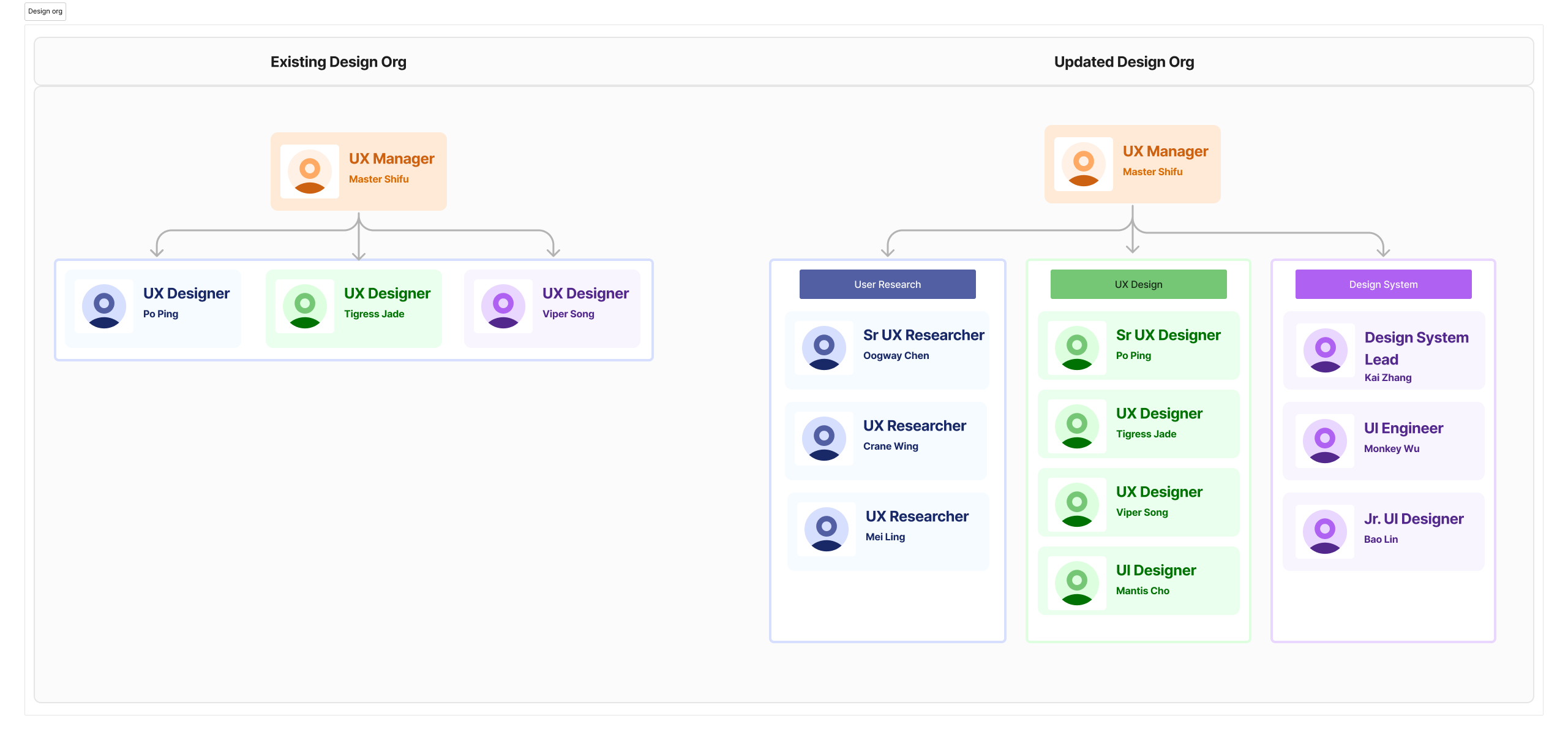
Built a UX organization from 4 to 12 designers over 2.5 years, including hiring, mentoring, and establishing career growth paths.
Established a design thinking framework adopted across 20+ product teams, replacing ad hoc processes with repeatable methodology.
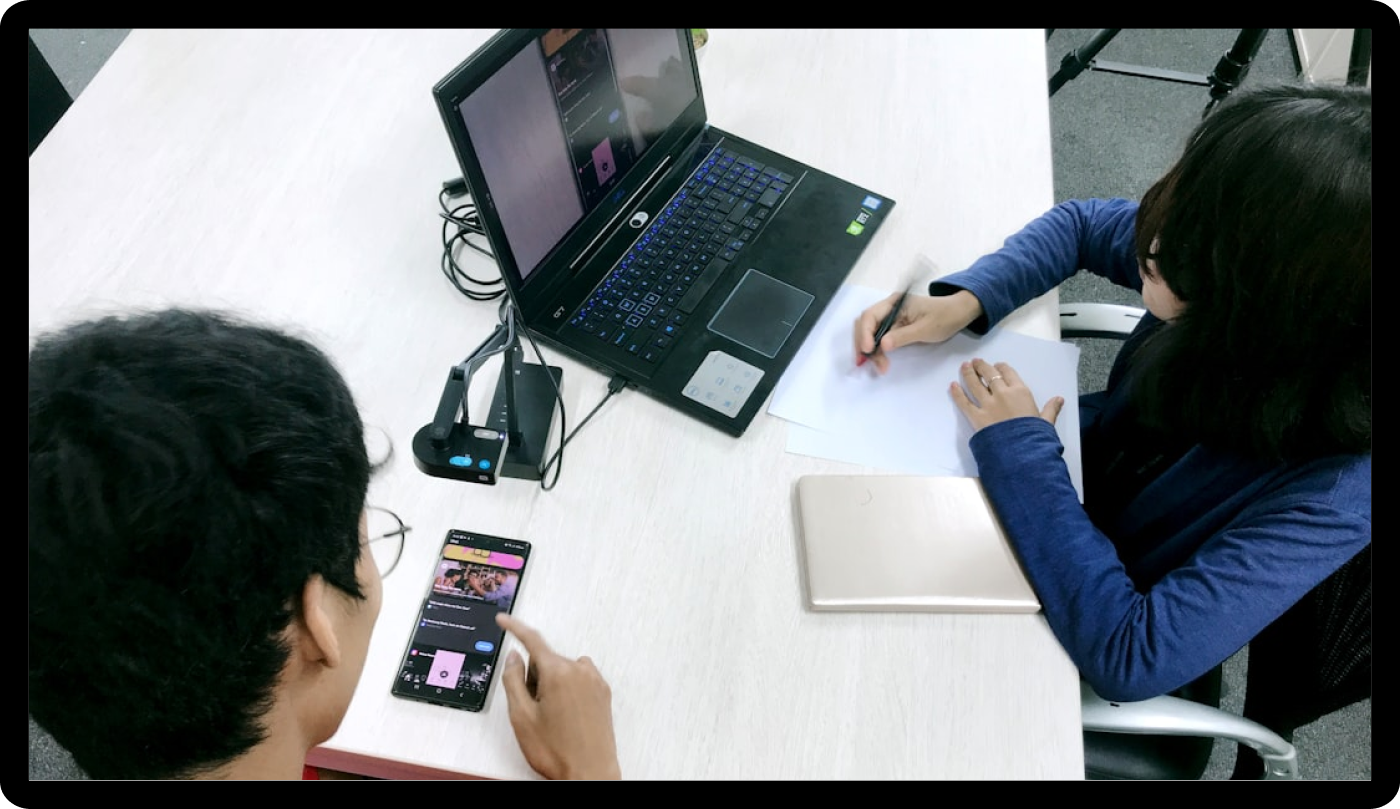
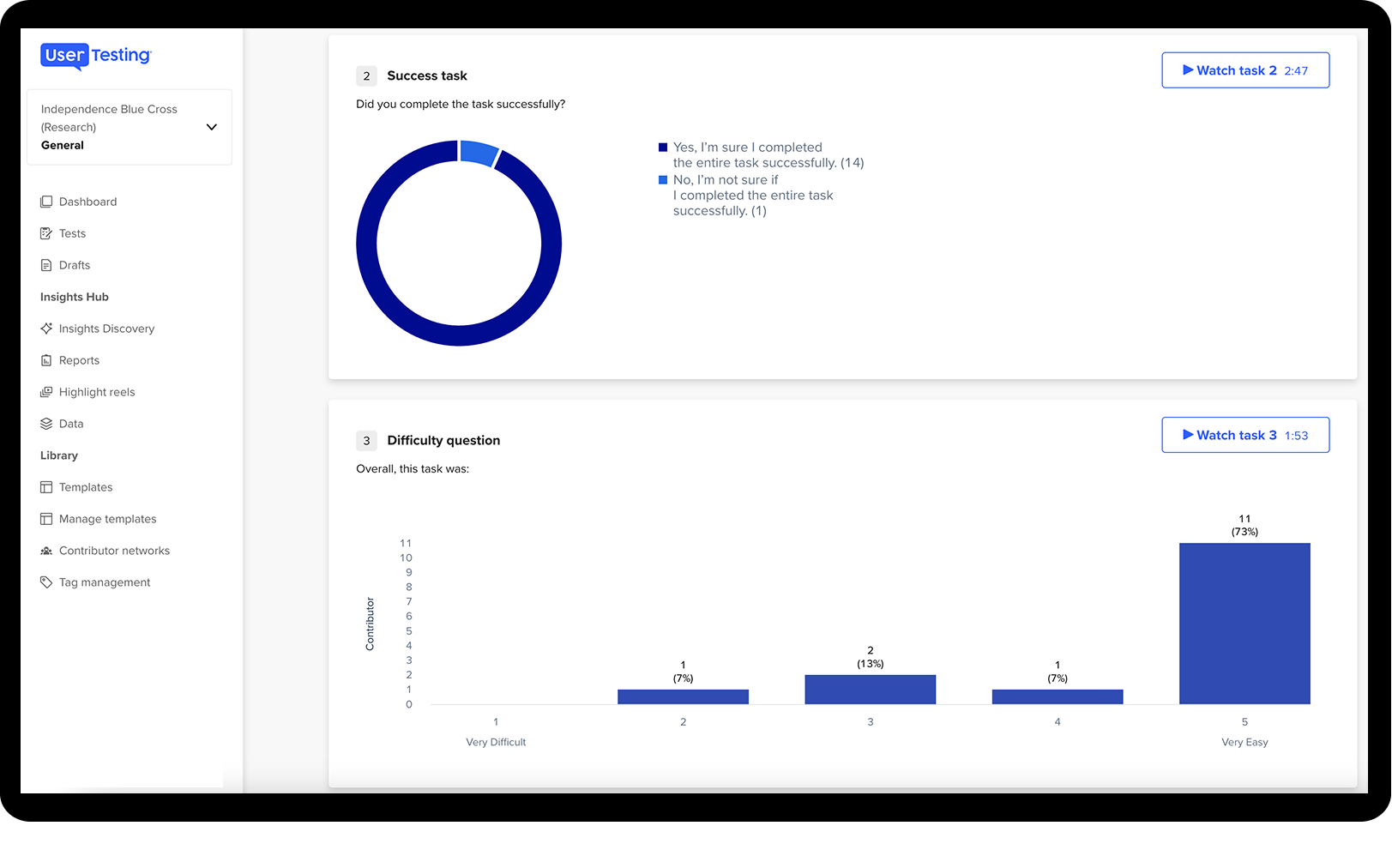
Created the research practice from scratch. Started with guerrilla testing and support ticket mining, then secured budget for UserTesting and Mural.
Launched the enterprise design system, starting with 2 core components and design tokens. Prioritized adoption over perfection across 6 apps.
Delivered the mobile app redesign that moved App Store ratings from 2.3 to 4.2 stars, the proof point that unlocked larger investments.
Constraints: $100M modernization timeline, engineering-dominated culture, zero research budget, no executive sponsor for design initially.
The Challenge
Design was seen as a cost center, not a strategic function.
No Design Process
Teams worked in silos with no repeatable methodology.
Understaffed Team
4 designers supporting 20+ applications across multiple product teams.
No Research Practice
Decisions made without user input. No tools, no budget, no buy-in.
No Design System
Every team reinventing UI patterns across 30+ applications.
Four Strategic Pillars
Building process, people, research, and systems simultaneously.
Start scrappy, earn budget → used existing data (Medallia feedback, Quantum analytics, competitor analysis) instead of requesting research tools upfront → quick wins built credibility, unlocking budget for UserTesting and Mural.
Tie every initiative to business outcomes → framed design capacity as a delivery bottleneck, not a design quality issue → grew team from 4 to 12 over 2.5 years.
Prioritize adoption over perfection → launched the design system with 2 core components and design tokens rather than building a complete library → 6 apps adopted, ~15% dev time reduction.
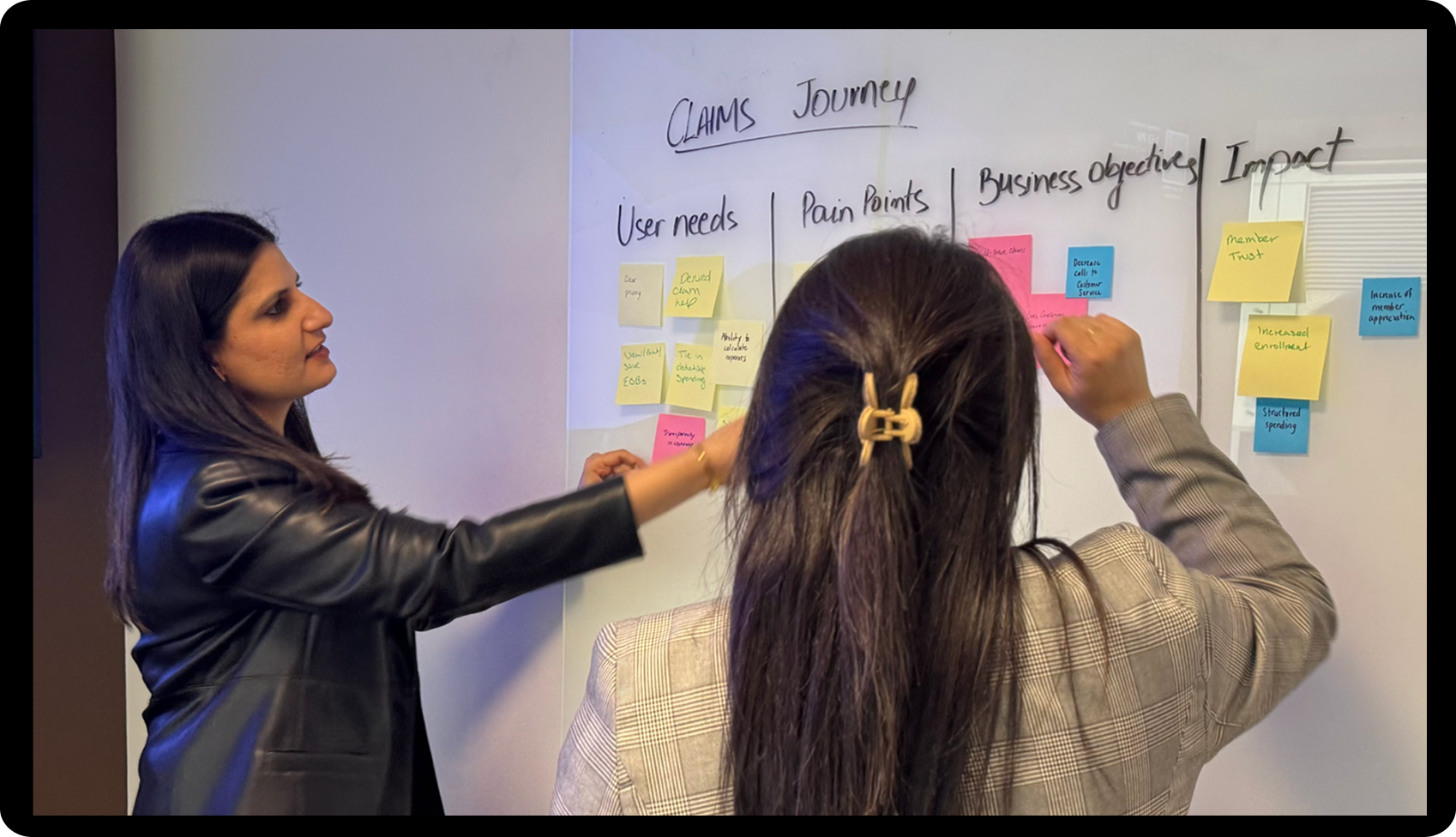
Design Thinking Framework
The Challenge
No budget for research tools. No time carved out for discovery. Teams expected designs yesterday.
The Approach
Leveraged existing data (Medallia feedback, Quantum analytics, and competitive analysis) to build a north star vision. This "scrappy research" approach proved value without upfront investment, earning buy-in to eventually secure proper tooling.
Result: Improved alignment, reduced rework cycles
Team Scaling
The Challenge
Leadership saw design as a cost center, not a strategic investment. Headcount requests were routinely denied.
The Approach
Built a business case connecting design capacity directly to product quality and delivery speed. Showed how understaffing created bottlenecks that delayed launches and increased rework.
Result: Grew from 4 to 12 designers over 2.5 years
Research Practice
The Challenge
Zero research budget. Decisions were made on assumptions. "We know our users" was the prevailing mindset.
The Approach
Started scrappy: guerrilla testing, stakeholder interviews, mining support tickets. Quick wins built credibility, which unlocked budget for UserTesting and Mural.
Key Win: Mobile app rating 2.3 → 4.2 stars
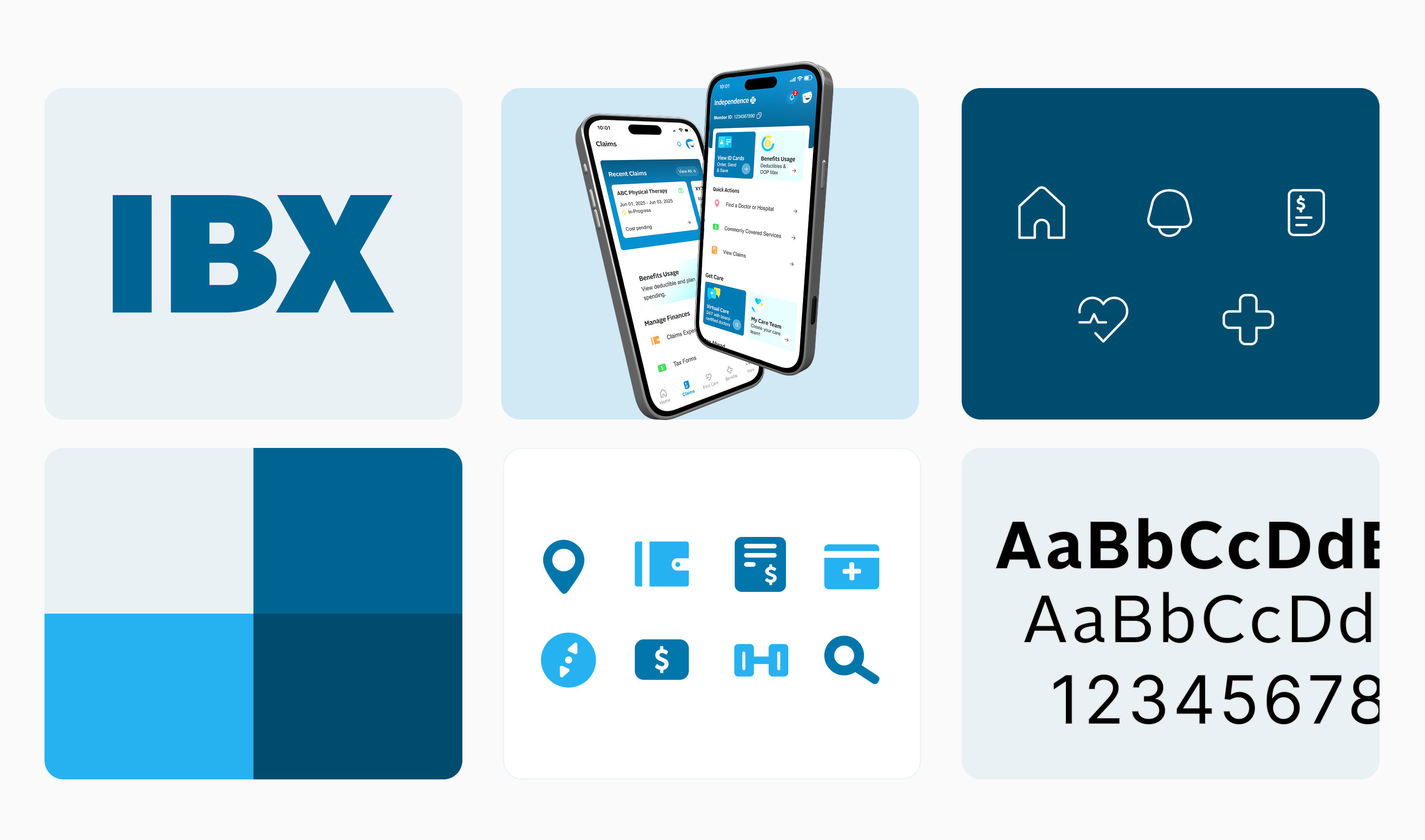
Enterprise Design System
The Challenge
30+ applications, multiple teams on different timelines, fast-paced delivery pressure. Teams couldn't pause to adopt new components.
The Approach
Started small with 2 core components and design tokens. Prioritized adoption over perfection. Currently exploring AI integration to accelerate component generation and documentation.
Result: 6 apps adopted, ~15% dev time reduction
Mobile App Transformation
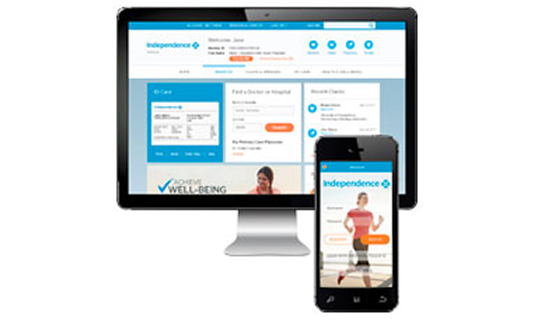
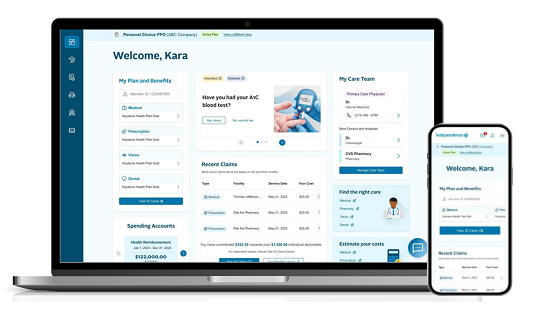
The research-driven redesign that improved App Store ratings from 2.3 to 4.2 stars
Before
After
Results
2.3→4.2
App Store rating improvement for mobile app redesign
4→12
designers, grown over 2.5 years
$250K+
annual development savings from design system
Key Takeaways
Start With Quick Wins
The mobile app rating improvement opened doors for larger investments.
Tie Design to Business
Executives fund results, not process. Frame everything in business terms.
Build Systems, Not Designs
Individual designs solve one problem; systems solve categories of problems.
Scaling a UX practice isn't about hiring designers. It's about changing how an organization thinks about design.
Next Project
US Bank Credit Card
Manager, User Experience