U.S. Bank | FinTech, SMB Credit
From 20-Day Paper Approvals to
2-Day Digital Experiences
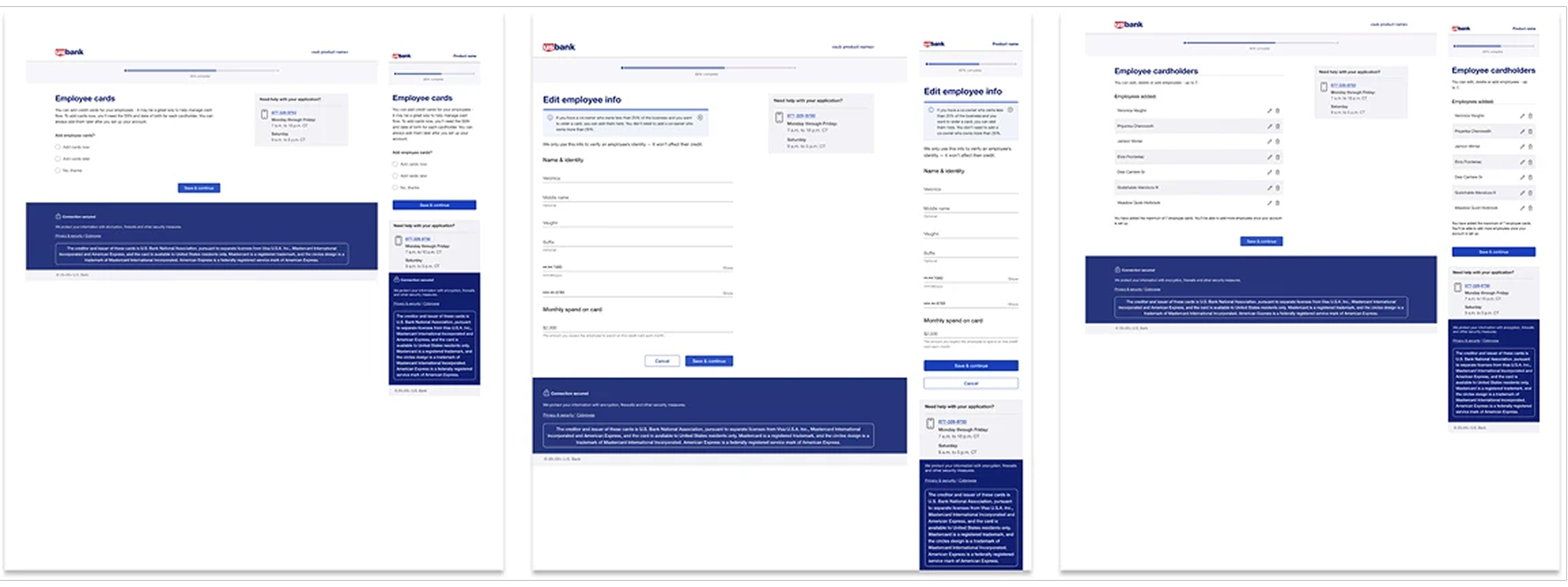
Customer journey research revealed a gap: users adding employee cards had no visibility into spend management. Redesigned the application flow to surface spend controls during card setup and provide a clear path to the management dashboard.
- What I Owned
- End-to-end UX direction (IA + content model + UI), accessibility strategy, delivery QA (hands-on)
- Constraints
- Legacy UI debt, every change required legal/risk sign-off
- Artifacts
- Application flow, customer journey flow, user flows, component specs, WCAG 2.1 AA specs, QA checklists
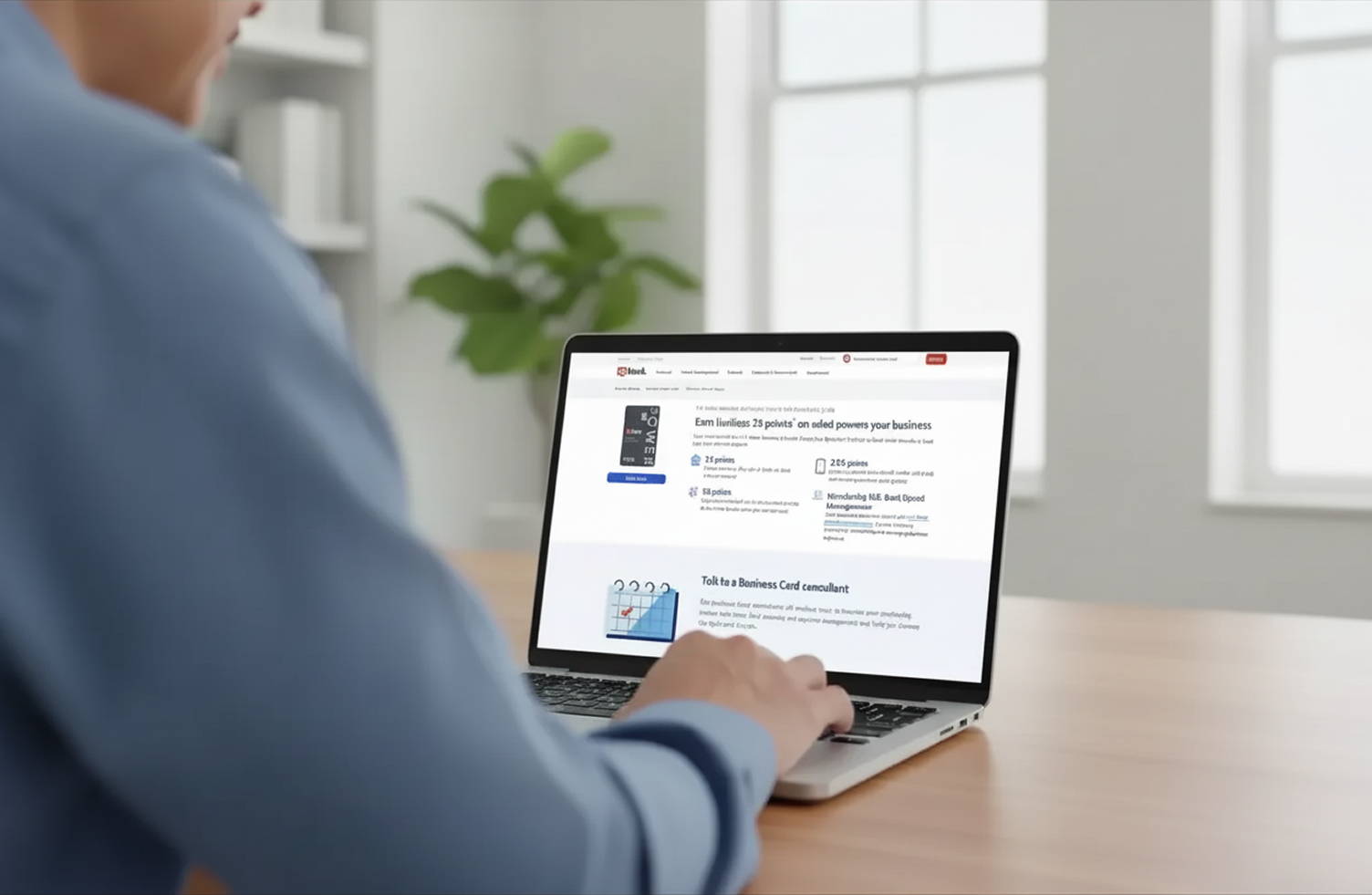

20→2
Days to Approval
$1.2M
Operational Savings
30%
Faster Dev Cycles
The Challenge
An aggressive digital relaunch timeline collided with legacy process debt, regulatory requirements, and multi-team delivery complexity.
Constraints: Legacy UI debt, regulatory sign-off on every change, and spend management shipping on the same timeline.
Slow Approvals
Back-end approval took 20 days due to paper-based handoffs across banking, legal, and risk.
Low Completion Rates
The existing digital front-end was confusing enough that users abandoned applications before submitting.
Disconnected Workflows
Employee card management lived in a separate, disconnected admin tool.
Regulatory Bottlenecks
Every UI change required legal and risk sign-off, slowing all teams.
What I Owned
Directed the end-to-end design strategy, aligning product, engineering, legal, risk, and content teams on a digital-first credit card experience.
Designed the full application flow, spend management dashboard, and employee card controls. Hands-on: user flows, screen designs, component specs, interaction patterns.
Facilitated Sprint Zero workshops including journey mapping, strawman flows, and story mapping. Brought legal and risk into co-creation sessions to surface compliance requirements early, not as late-stage blockers.
Negotiated design trade-offs with legal and risk teams. Embedded compliance checkpoints into the design review process so regulatory feedback happened in parallel, not sequentially.
Shipped engineer-ready specs, annotated user flows, final designs aligned with the US Bank design system, and QA checklists for accessibility and compliance validation.
Approach
I introduced a Design Thinking Framework with Sprint Zero workshops to align stakeholders before diving into design, and embedded compliance reviews into the sprint cadence.
Stakeholder Alignment
Aligned design, technology, data, and product teams
Problem Reframing
Converted problems into opportunity statements
Journey Mapping
Mapped journeys across user maturity levels
Strawman Flows
Cross-functional teams sketched initial flows
Story Mapping
Prioritized features by user goals and business value
Parallel compliance reviews → embedded legal and risk checkpoints into the design sprint cadence instead of gating at the end → cut regulatory review cycles from weeks to days.
Digital-first application → replaced the 20-day paper process with a guided online flow → cut approval time to 2 days.
Integrated spend management → combined card application with employee spend controls in a single experience → eliminated a separate admin workflow and reduced support requests.
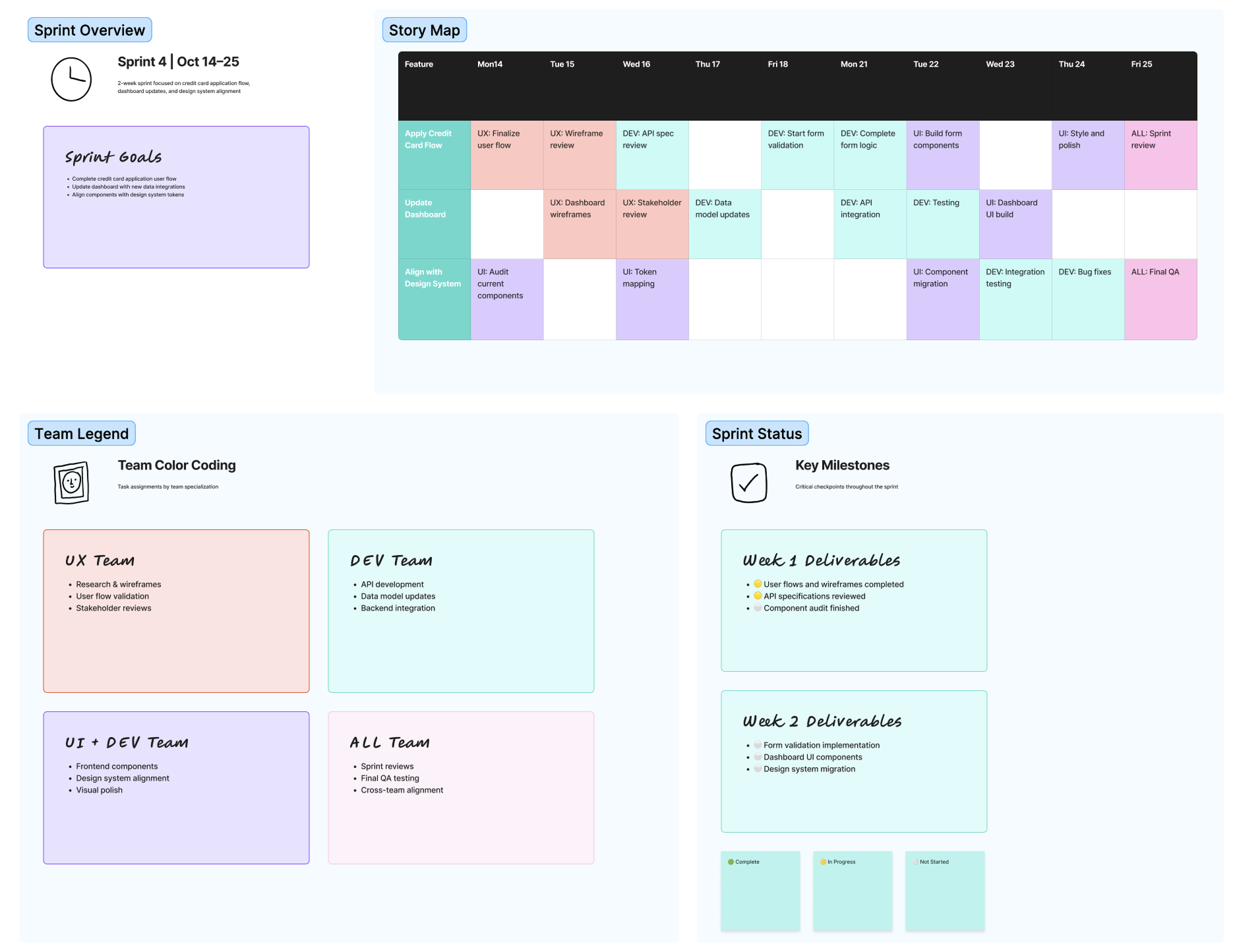
Artifacts: Sprint Zero Process
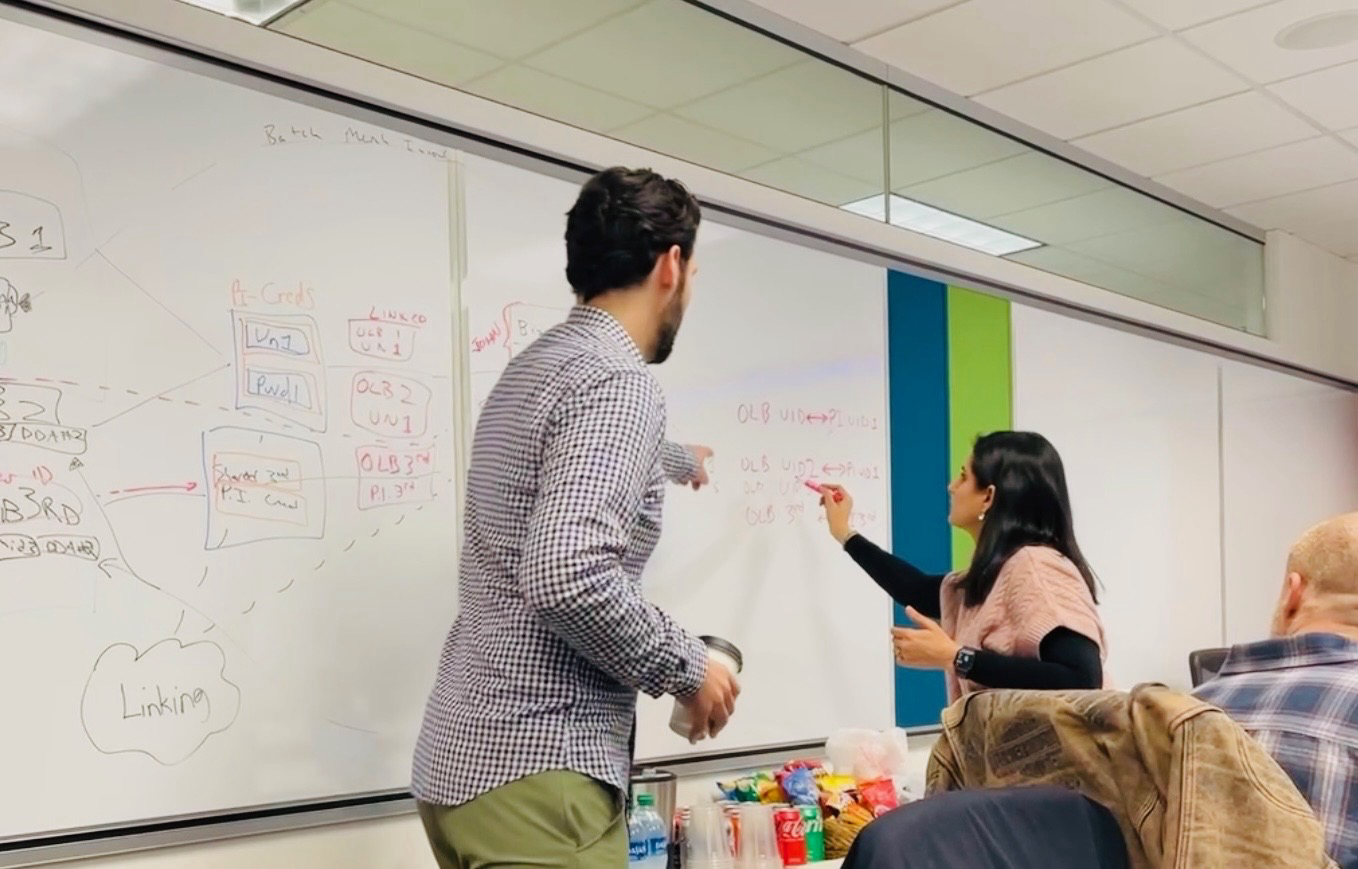
Cross-functional workshops to align stakeholders before design execution.
Sprint Zero Workshop
Aligned design, technology, data, and product teams on shared goals
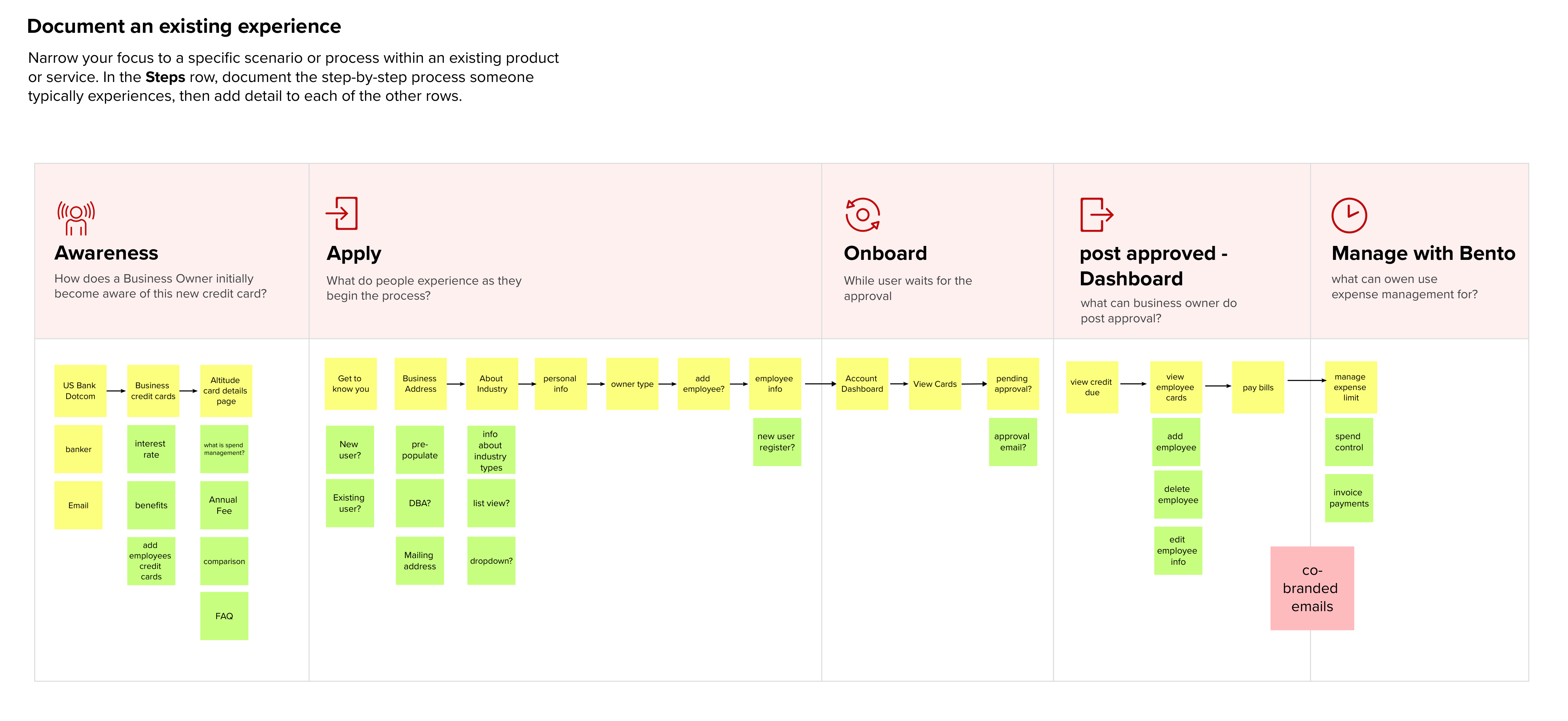
Customer Journey
Mapped end-to-end experience across user maturity levels
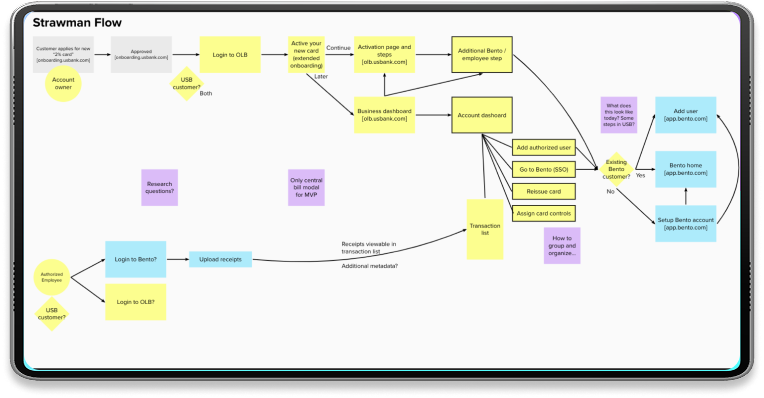
Strawman Flows
Cross-functional teams sketched initial flows for validation
Story Mapping
Prioritized features by user goals and business value
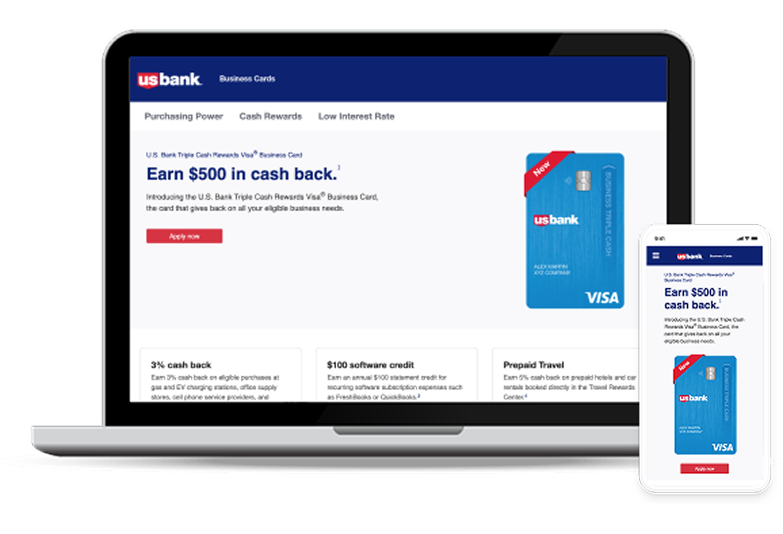
Artifacts: Design Deliverables
Final output aligned with the US Bank design system.
Application Flow
Streamlined credit card application with guided steps and progress indicators
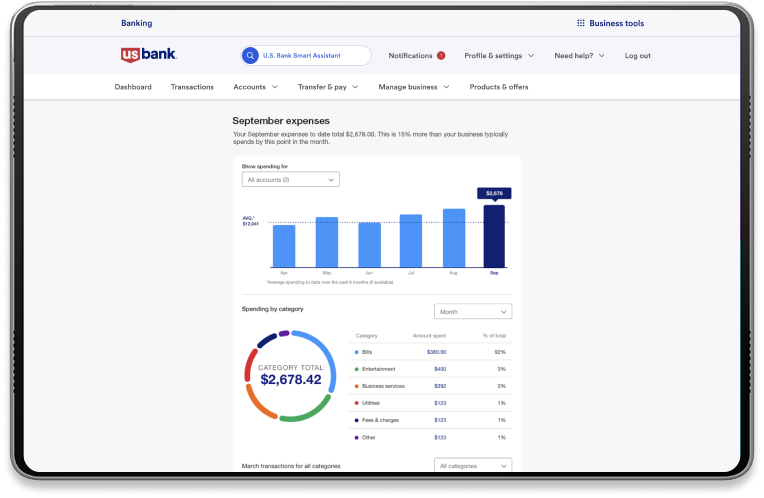
Spend Management
Dashboard for administrators to control and monitor employee spending
User Flow
End-to-end journey from application to approval to card management
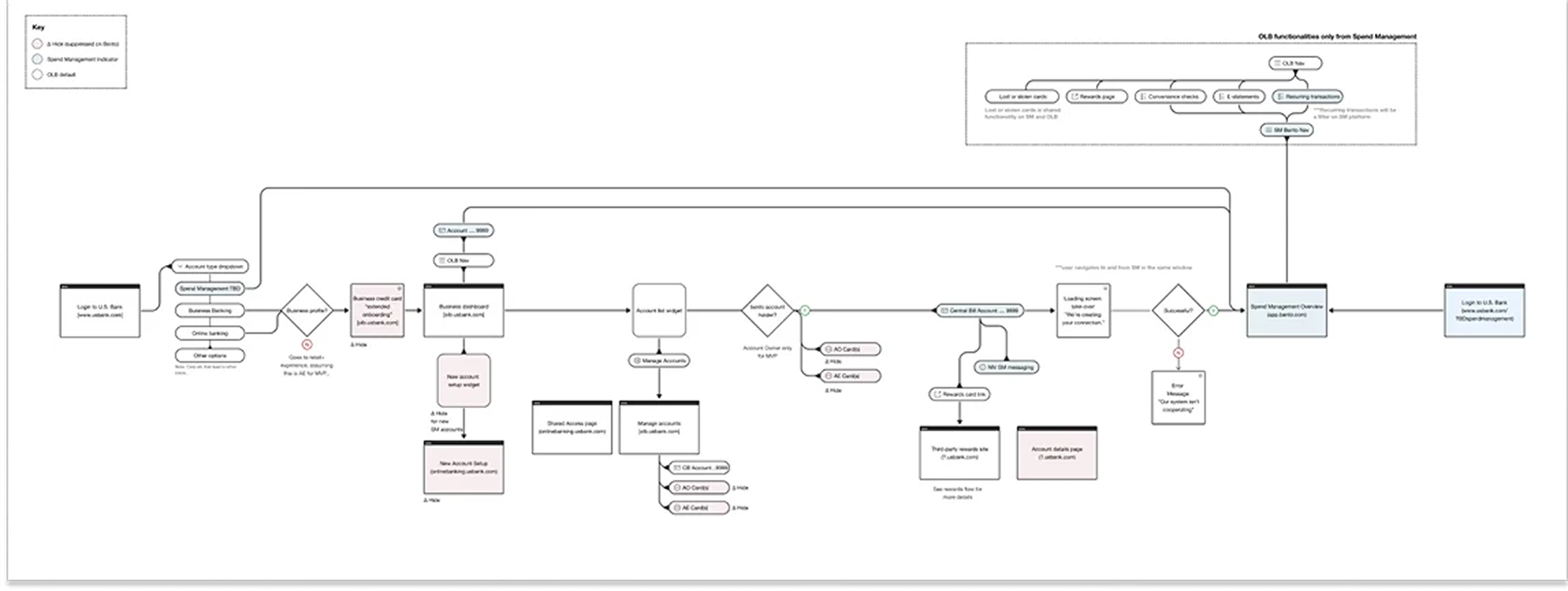
Screen Flow
Detailed screen-by-screen interaction design for development handoff
Results
20→2
days reduction in approval time
$1.2M
operational savings generated
30%
faster dev cycles with fewer late-stage fixes
All core flows met WCAG 2.1 AA compliance.
Retrospective
Successes
- Co-creation reduced stakeholder resistance. Involving teams early created buy-in
- Design system leverage accelerated development. Consistent components meant faster builds
Opportunities
- Strengthen first-time user onboarding. New users needed more guidance
- Optimize complex form performance. Some inputs caused load delays
Introducing design thinking to a traditional SDLC requires meeting teams where they are. Sprint Zero workshops created shared ownership and reduced friction during implementation.
Next Project
GenAI Customer Service Tool
Design Leader